My First Hackathon: Building a Digital Youth Center in 50 Hours and Winning Second Place
My First Hackathon: Building a Digital Youth Center in 50 Hours and Winning Second Place
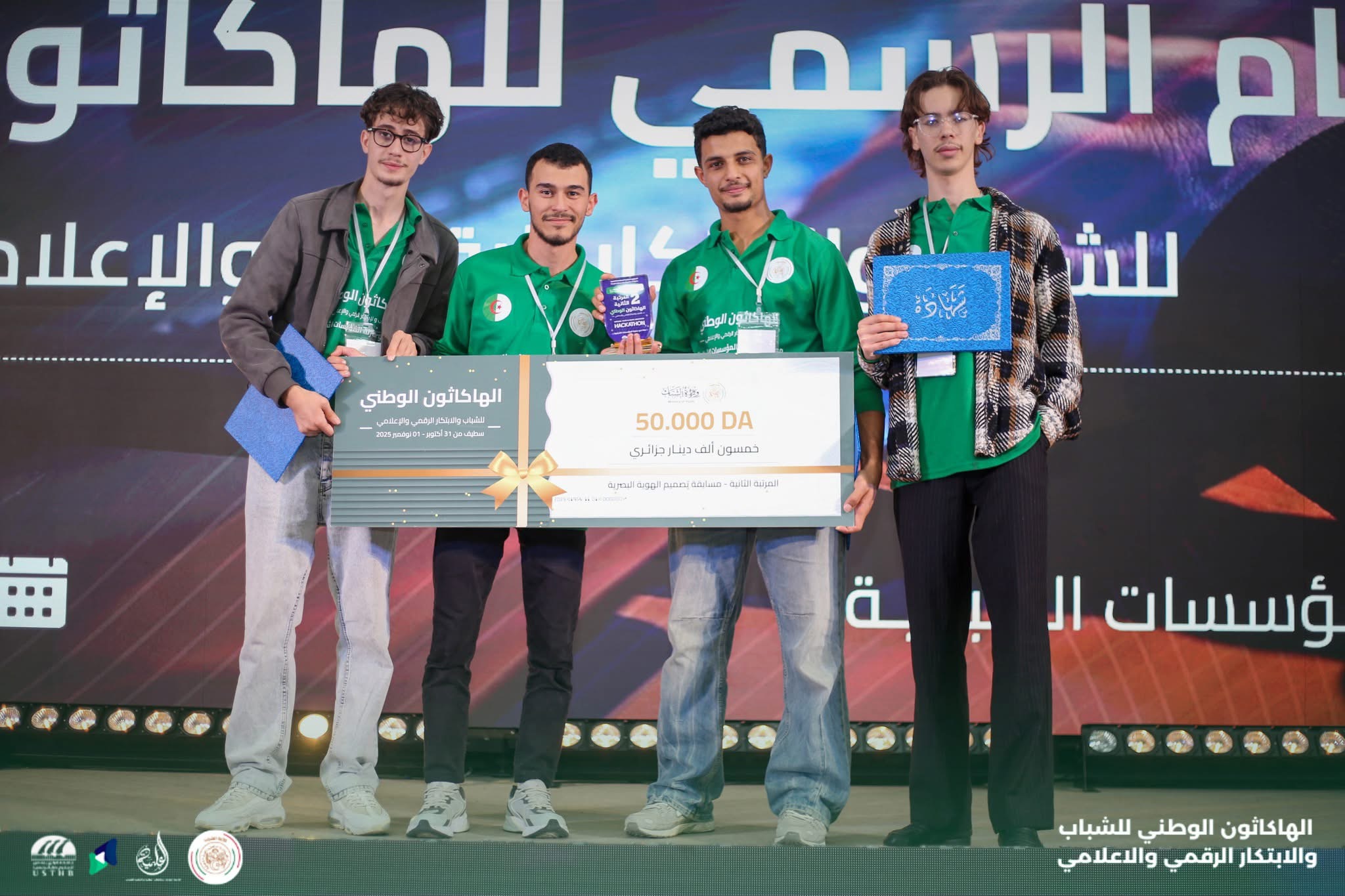 Ministry of Youth 2025 Hackathon - Sétif, Algeria
Links
GitHub Repository: https://github.com/Aymen-Guerrouf/MJ
Connect with me: LinkedIn - Aymen Guerrouf
We built a complete digital youth center platform in 50 hours. Five distinct feature spaces, full gamification system, all APIs functional. Solo backend developer. Smallest team in the competition. First hackathon ever. Second place at the Ministry of Youth 2025 Hackathon in Sétif, Algeria.
Here's what actually happened and what I learned.
The Challenge: Making Youth Centers Relevant Again
The Ministry of Youth 2025 Hackathon presented a clear problem: youth centers across Algeria are underutilized. Empty buildings with potential but no compelling reason for young people to show up.
I saw an opportunity to build something comprehensive. Not just another event booking app. A real platform with multiple "spaces" designed to attract different segments: entrepreneurs, learners, hobbyists, social activists, basically everyone .
The vision was ambitious. Maybe too ambitious for 50 hours. But I committed to it anyway.
The Technical Reality: What I Built
Our team started with 4 people. One didn't show up. Most other teams had 5-6 members. We were the smallest team with the most aggressive scope.
I chose Express.js and MongoDB in a monolithic architecture. Fast to iterate, easy to deploy, good enough for a hackathon demo. No time for microservices or overengineering.
The feature set I delivered:
- Sharing Experience Space – Community storytelling platform
- E-School Space – Educational content management
- Startup Space – Entrepreneur networking and idea exchange
- Clubs – Interest-based communities with membership management
- Workshops & Event – Event registration and capacity management
- Reward System – Gamification engine with badge triggers across all spaces
Each space needed its own data models, API endpoints, business logic, and integration points with the reward system. The badge system alone required tracking different user activities across the platform.
I designed the architecture to be modular within the monolith. Each space got its own controller, service layer, and routes. The reward system listened to events across spaces – user creates startup idea, joins workshop, shares experience, gets badges.
Express middleware handled authentication, authorization by user role, and activity logging for gamification. MongoDB's flexible schema let me iterate fast on data models without migration headaches.
50 hours. Everything worked.
What Separated Second from First
We won second place. The technical execution was solid. Judges acknowledged we had the most feature-complete platform in the competition.
But first place went to a team with a better pitch.
The gap wasn't technical capability. It was storytelling.
I spent most of the 50 hours coding. The last 2 hours, we scrambled to build a presentation. We demoed the features, showed the working product, explained the technical architecture.
What we didn't do: clearly articulate the impact. Why this matters for Algerian youth. How it solves the empty youth center problem. What happens when thousands of young people start engaging with these spaces.
The judges gave us direct feedback after the presentations. They saw what we built. They were impressed by the scope and execution. But they couldn't see the vision clearly enough in our pitch.
Cold truth: Technical excellence doesn't win hackathons. Technical excellence + clear communication wins hackathons.
The Real Win: People, Not Prizes
 S
S
Here's what I didn't expect: the second place trophy and prize money were the least valuable things I got from this hackathon.
The real value was the people.
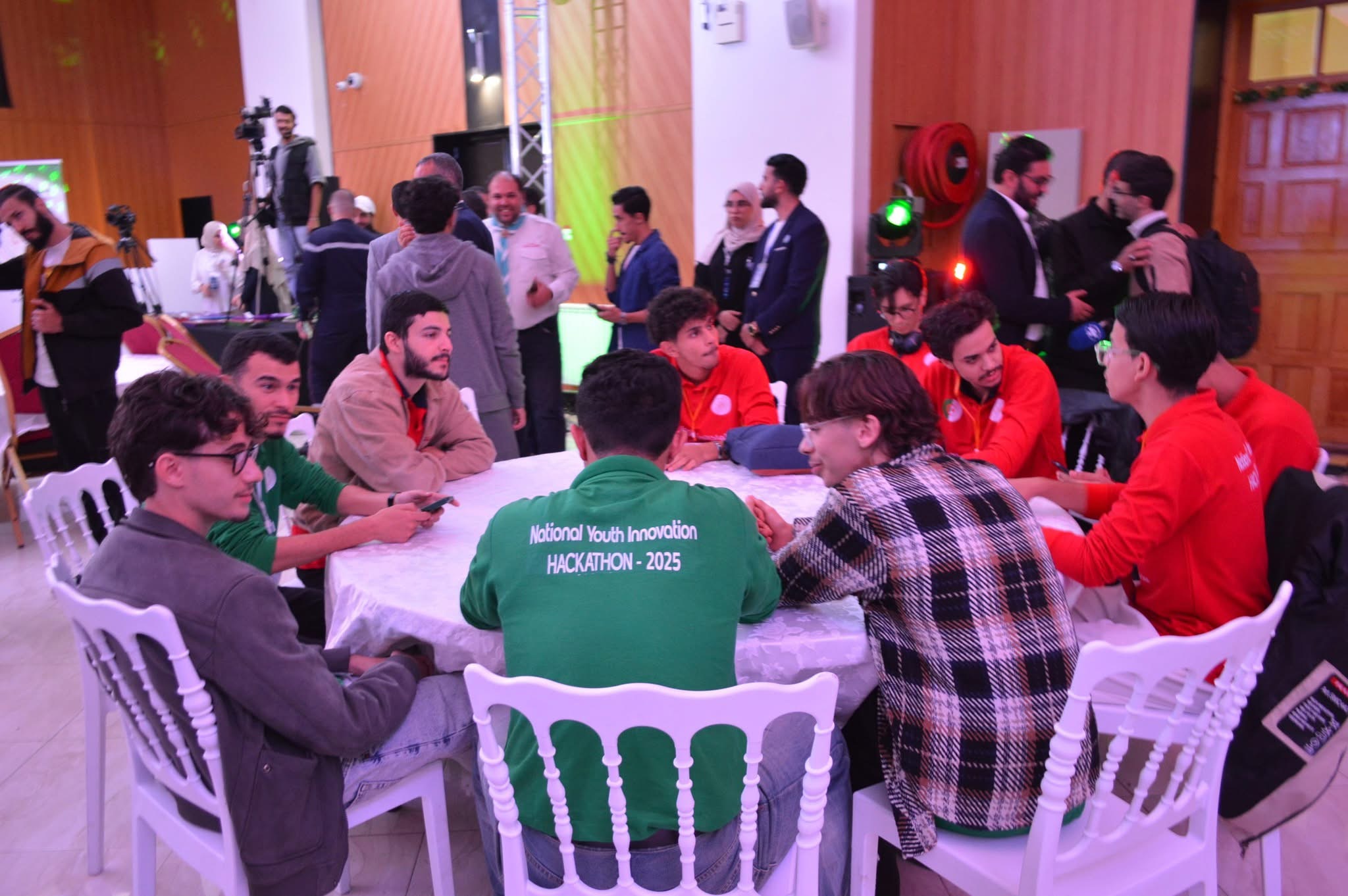
Participants: I met developers from across the country (Msila, Oran, setif Annaba ...) solving similar problems. Students building AI tools for education. Designers creating interfaces I never would've thought of. Entrepreneurs with insights into the Algerian startup ecosystem. These connections turned into collaboration opportunities, technical discussions, and a network I can actually leverage.
Organizers: They shared their experience running national-level events, their vision for youth innovation in Algeria, and practical advice on navigating bureaucracy when you want to build social impact products in our context.
Judges: This is where I learned the most. Post-competition, several judges gave detailed feedback:
- How to structure a pitch for social impact solutions (lead with the problem, quantify the impact, then show the tech)
- Why presentation timing matters more than feature count in competitions
- Specific advice on positioning tech products for Algerian youth initiatives
- Connections to incubators and mentorship programs I didn't know existed
One judge, from Algiers, spent 30 minutes walking me through how he evaluates startups. That conversation changed how I think about building products.
These aren't random LinkedIn connections. These are people who evaluated my work, gave honest feedback, and offered real guidance. That's worth more than any prize money.
Lessons: What I'd Do Differently
Stop coding at 80%. I could've cut 2 features and used 10 hours to build a killer presentation. The platform would still have been impressive, but the pitch would've been exceptional.
Parallel work streams. While I was coding until the last hour, someone should've been drafting the pitch deck, practicing the demo flow, and preparing the impact narrative.
Presentation is product. In hackathons, your pitch deck is as important as your codebase. Maybe more important. Judges see your presentation, not your architecture.
Time management beats perfectionism. I finished everything. Every feature worked. But "complete" became the enemy of "winning." Better to ship 4 polished spaces with a great story than 6 complete spaces with a rushed pitch.
The developer trap. I love building. Solving technical challenges, seeing features come together, making APIs work. That's my comfort zone. But business success—and hackathon success—requires stepping out of the terminal and into storytelling mode.
Hackathon MVP ≠ Product MVP. For a real product, I'd build 1-2 features and iterate based on user feedback. For a hackathon, I need enough to demonstrate vision, not enough to demonstrate completion.
Looking Forward
This hackathon shaped how I approach building products. I'm on an entrepreneurship journey in Algeria—building solutions for real problems here. This experience taught me that technical capability is table stakes. The differentiator is how well you communicate value.
Second place with the smallest team and the most ambitious platform? I'll take that. More importantly, I'll take the network, the feedback, and the lessons.
I'm grateful to the Ministry of Youth for organizing this. To the judges who gave honest, actionable feedback. To the organizers who created space for this kind of innovation. To the other participants who pushed me to build better.
Next hackathon, I'm stopping at 80% and nailing the pitch. First place is a presentation away.
Let's Connect
If you're a developer considering your first hackathon: Do it. Your technical skills matter, but you'll learn more about product strategy, pitching, and team dynamics than you will about code. The connections you make will open doors your GitHub profile won't.
What's your biggest hackathon lesson? Whether you've competed or not, I'd love to hear what you'd prioritize: more features or better storytelling?
Check out the project: GitHub Repository
Connect with me: LinkedIn
Built with Express.js, MongoDB, and 50 hours of determination. Second place at Ministry of Youth 2025 Hackathon, Sétif, Algeria. The journey continues.
Enjoyed this post?
Found this helpful? Share the link with others!